GOT AN IDEA? HERE’S WHY YOU NEED A PROVISIONAL PATENT APPLICATION

Got a brilliant invention rattling around in your head? Does the thought of spending $15,000 on a patent make you break out in cold sweats? You’re not alone. Every day, inventors face the same impossible choice: file a provisional application or file a nonprovisional application.
Here’s the good news: you don’t have to choose between protecting your invention and protecting your wallet. A provisional patent application gives you a third option. Provisional patent applications are misunderstood because they’re often overlooked by inventors—and that misunderstanding leads to costly mistakes.
Some inventors completely disregard the provisional applications, missing out on cost-effective protection. Others file them incorrectly and waste money. Meanwhile, some inventors and startup companies assume patent applications are always the right answer. But that’s not true in every case. In fact, some patent applications are always wrong for specific business strategies.
This guide clears up the confusion. You’ll learn exactly what a provisional patent application protects, why it might be wrong for your business, and how to avoid the most common pitfalls.
We’ll walk through the entire patent process from filing to conversion. You’ll learn when it makes sense to DIY and when it’s smarter to bring in a professional. We’ll help inventors make clear, confident decisions—no legal jargon, just practical advice they can use to protect their intellectual property and make the most of their budget.
By the time you’re done reading, you’ll know whether a provisional application fits your invention strategy. You’ll know how to use it well. Most importantly, you’ll stop second-guessing and start protecting what you’ve created.
Ready to turn your idea into protected intellectual property? A well-prepared provisional application can be the foundation of a smart patent strategy—if used correctly from the start.
What Is a Provisional Patent Application?

A provisional patent application is a temporary, lower-cost way to secure your invention’s priority filing date with the USPTO. It avoids the legal complexity or high fees of a full patent. It lets you lock in your place in line while giving you 12 months to decide whether to pursue full patent protection.
Think of this as your invention’s parking spot. You’re basically telling the USPTO, “Hey, I invented this on this specific date, so save my place in line.” It’s not a real patent yet. But it’s your official timestamp in the system.
Here’s what makes it brilliant for inventors like you. You don’t need fancy patent claims or legal jargon. Just provide a clear description of the invention that someone skilled in your field could build. No oath required. No prior art research needed.
The provisional application form is refreshingly simple compared to regular applications. After you file a patent application and receive your receipt, then you can safely add “Patent Pending.” Your provisional patent application sits quietly in the USPTO system for exactly 12 months. This gives you time to figure out your next move.
But here’s the catch (there’s always a catch, right?). There’s a common belief that somehow a provisional patent offers complete protection—but that’s not how it actually works. This preliminary patent application doesn’t automatically become a real patent. It’s more like a one-year option to buy patent protection. Use it or lose it.
A provisional application gives inventors valuable breathing room—a temporary patent application to protect their idea without full commitment. You get 12 full months to test your market, find investors, or discover if anyone actually wants your invention. The early filing date advantage protects your priority filing date without the non provisional filing fee burden upfront.
How a Provisional Application Protects Your Invention
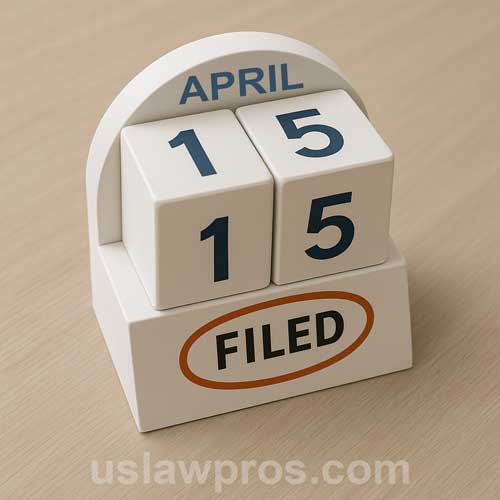
A provisional application protects your invention by locking in your effective filing date and securing priority over later filers. When the provisional application from a business is filed correctly, it gives that business an early advantage without the cost or complexity of a full patent. While it doesn’t grant full patent rights, it preserves your place in line—an important factor in today’s first-to-file system under patent law.
Your biggest win is the priority date. The moment you file the provisional application, that filing date is applied as your official “I invented this first” timestamp. If someone files a similar invention six months later, your earlier date wins. In patent law, being first matters more than being best.
You also get immediate “patent pending” bragging rights. This isn’t just marketing fluff—it’s a legal warning shot. Competitors, take notice. This pending status creates real deterrent value.
The protection even works internationally. Your U.S. provisional application priority date can support patent applications in other countries if filed within 12 months. That’s a huge benefit for inventors thinking globally. The early effective filing date provides international priority advantages.
But let’s be crystal clear about what you can’t do. You cannot sue anyone based on a provisional application alone. It gives you zero enforcement power. Think of it as a reservation, not a weapon. Patent rights are lost if you don’t convert properly.
The real magic happens when you convert to a non provisional patent application within that 12-month window. Your full patent can claim the earlier provisional date. That means your patent rights begin from your provisional filing, not from the complete application.
Miss that conversion deadline, and your protection evaporates. Your invention doesn’t become public, and you lose through this process all patent rights tied to that specific filing.
Why File a Provisional Instead of a Non-Provisional Patent?
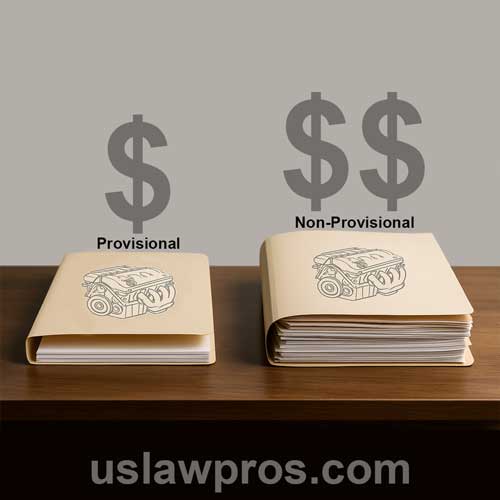
Filing a provisional application first gives inventors flexibility, lower cost, and a fast way to secure their early filing date. The choice between a provisional vs non provisional patent often depends on money, time, and uncertainty. Understanding these two options can help you choose the right filing strategy for your invention.
Let’s start with money. The provisional application cost begins around $320 for small entities as a filing fee. Compare that to $3,000–$15,000 for a complete non provisional patent application with attorney help. That’s a massive difference when you’re bootstrapping an invention.
Time is the second game-changer. You can prepare and file your provisional application in days or weeks. When filed early, this helps protect your early filing date. A non provisional application usually takes months to prepare correctly.
But here’s the real genius of the provisional route: it gives you time to fail fast or invest smart. Maybe your invention isn’t as marketable as you thought. You might run into challenges along the way. Choosing a provisional application helps you face those challenges during the 12-month period.
It’s better to learn these truths during your low-cost provisional year than after spending thousands on a full patent. The provisional path also makes investor conversations easier.
However, provisional patent applications aren’t always the best choice. If your invention is finished and market-ready, consider filing a non provisional patent application instead. Be honest about your readiness before choosing a path.
What Happens After You File a Provisional Patent?

Once you file a provisional patent, the USPTO records your application and locks in your priority filing date. From there, the next 12 months become your opportunity to test, improve, and position your invention—without facing examination or legal review from the patent office.
First, you’ll get a filing receipt from the USPTO within a few days. This confirms your provisional patent application is officially on record with your priority date locked in. Keep this receipt safe—it’s your proof of filing.
Your provisional application sits completely dormant in the patent office system. No patent examiner touches it. No office actions are issued. The provisional patent application delays examination because it isn’t reviewed or touched by a patent examiner during the 12-month period. Some inventors believe that the patent process starts immediately, not realizing review begins with a non-provisional filing.
This dormancy is a feature, not a bug. During this period, you’re free to develop your invention and explore the market. The benefit of the provisional approach becomes clear when you’re building partnerships without legal distractions.
Here’s where strategy becomes critical. Patent pending status can be used immediately to market your invention. If you improve your design, filing a provisional application for those changes is also an option.
But there’s a countdown running in the background. You must file a non provisional patent application within 12 months to keep your priority date. The deadline is firm—no extensions allowed. Filing the non provisional application preserves your early filing date benefits.
When you file your complete application, you’ll claim priority back to your provisional filing date. What if you don’t pursue full patent protection? Your provisional expires after 12 months. The Patent and Trademark Office (USPTO) then destroys it, and your invention never becomes public.
Can You Renew a Provisional Patent Application?

No—you cannot renew a provisional patent application. It cannot be extended, revived, or rolled forward under any circumstance. The United States Patent and Trademark Office designed this strict 12-month limit for good reason.
Once your provisional patent application expires, it’s gone forever. You can’t bring it back or extend the deadline. You also can’t restore your original priority filing date. This isn’t like renewing a driver’s license. The priority filing date actually expires with the application.
Why such a rigid system? The Patent and Trademark Office wants to prevent inventors from camping indefinitely in the provisional system. No big or small business should ever file without understanding this limitation.
Still, you’re not completely out of options if you miss your deadline. You can file a new provisional patent application for the same invention. That gives you another 12-month window to plan. The tradeoff? You get a new, later priority date.
You could also file a non provisional patent application after your original provisional expires. But you’ll lose the benefit of your earlier filing date. That’s often worse than a provisional strategy done right.
Some savvy inventors file multiple provisional applications as their invention evolves. Each new provisional starts its own 12-month term and gets a new priority date.
The key lesson? Respect the deadline. Mark the day you file, and plan your 12-month provisional period with intention. No inventor should ever file a provisional application without knowing how and when they’ll move forward with a full patent.
Common Mistakes to Avoid When Filing a Provisional Application
Even though provisional applications are simpler than full patents, inventors still make costly mistakes. Let’s walk through traps that catch inventors, investors, and even seasoned professionals.
The most expensive error is filing an incomplete description of the invention. Your provisional application must include enough detail for someone skilled in your field to build and use the invention. Vague descriptions kill patents. A thin provisional patent application offers no protection.
If it’s too brief or unclear, it can’t support later claims—making your provisional application worthless. Forgetting drawings is another major issue. Newly added material can’t claim the earlier filing date, so it won’t be protected. This is why reviewing your provisional application carefully before filing is so important.
Deadline disasters destroy more provisional applications than you’d expect. The 12-month conversion deadline is final. This strict rule is often misunderstood by many inventors, who assume there’s a grace period. Miss it by a day, and your priority date is gone.
Many also misunderstand what protection they have. Provisional patent applications don’t give you the right to sue infringers.
Filing multiple provisional applications for the same invention—without strategy—wastes money and creates confusion. The benefit of the provisional approach gets lost. Each provisional application adds cost without always adding value. These errors don’t just trip up inventors—they’ve been known to confuse investors and even patent examiners during the review process.
You might ask, “Can I add more material to my patent application?” The answer is no. Once you file and get a filing date, you cannot add more material to the patent application.
A one-page provisional patent application may seem affordable, but weak filings rarely support meaningful claims.
Prior art is another issue. Ignoring existing tech can be fatal. If there’s a huge prior art problem, your patent might be worthless.
Should You File the Provisional Patent Form Yourself or Hire a Lawyer?

The DIY versus professional help decision keeps many inventors awake at night. Both paths have merit, but the stakes are higher than you might think.
Filing the Provisional Patent Application Yourself (DIY)
Filing the provisional patent application yourself can save thousands in attorney fees. For many inventors, getting a provisional patent feels like a DIY milestone—but that sense of progress can be misleading if the application lacks substance.
The Patent and Trademark Office (USPTO) makes self-filing easier than ever with online systems and guidance documents. The office often touts provisional filings as inventor-friendly, especially for those seeking fast, affordable entry into the patent system. The Trademark Office often touts these filings as a smart first step for small entities and solo inventors.
But here’s the scary truth: the consequences of mistakes are severe. A poorly written provisional application may not support your later patent claims. The benefit of the provisional approach disappears with poor execution. Filing yourself is only recommended if you truly understand patent law and how the provisional application process works.
Hire a Patent Lawyer to File It for You
If you hire a patent attorney to file your provisional application, you’re gaining expertise that’s hard to replicate on your own. They know how to write descriptions that support broad future claims. Claims in a provisional application, while not required, can strengthen your position when prepared by a professional.
The complexity of your invention matters enormously. Simple mechanical devices might be suitable for self-filing. But inventions like (software electronics communications fields) can truly benefit from professional help.
If your budget is tight, consider a middle-ground approach. Prepare your own provisional application draft, then have a patent attorney review it before filing. You want an early filing date, but you also want quality protection.
Your timeline and commercial potential should guide this decision. Some people think securing patent protection requires gullible investors—maybe even ones who won’t ask tough questions. That’s simply not true.
Some inventors worry that fund raising requires gullible investors, but well-prepared patent applications actually build investor confidence. A blown non provisional patent application can completely destroy it.
Get Help with Your Provisional Application from a Patent Attorney
Ready to work with a professional to help you with your provisional application? Smart choice—we have expert patent attorneys ready to assist. You’ve come to the right place because the benefit of the provisional approach depends heavily on execution quality.
The right patent attorney brings more than just filing expertise. They understand how provisional applications fit into broader patent strategies. They can also guide you in deciding whether provisional filing makes sense—or whether you should file a non provisional application instead.
Experience in your technology area matters enormously. Software inventions need attorneys who truly understand software patents. The European Patent Office requires different strategies than the USPTO. Our attorneys can explain claims in a provisional application clearly and strategically.
The cost structure varies widely between attorneys. Some charge flat fees for provisional applications, providing budget certainty. Others use hourly rates, which may cost more but include more comprehensive service. Filing fee costs are just the beginning of your investment.
We’ll walk you through everything. During your consultation, we’ll clarify all included services and help you evaluate the difference between a provisional and non-provisional application strategy.
We don’t just handle one filing and move on—we build relationships. The same attorney who helps with your provisional can manage your non provisional patent application, respond to office actions, and handle enforcement when needed. That continuity matters.
We’ll also help you navigate continuation in part application strategies, handle newly added material, and determine whether you need an issued patent versus an ongoing application. Our team will guide you through the full patent process timeline.
The benefit of the provisional approach goes beyond cost savings. It’s about strategic timing, quality protection, and working with attorneys who understand your goals. Let our team help you get it right.
FAQs
What is a provisional application for a patent?
A provisional application for a patent is a simplified filing that establishes your invention’s priority date with the USPTO for 12 months at a lower cost than full patents.
What is the difference between a provisional and complete patent application?
Provisional applications are cheaper, simpler filings that don’t get examined. Complete applications undergo full examination and can become actual patents with enforceable rights.
What is the purpose of a provisional application?
A provisional application gives you a fast, affordable way to lock in your filing date and publicly mark your invention as filed. It gives you 12 months to test, improve, and evaluate your idea before submitting a full utility patent application.