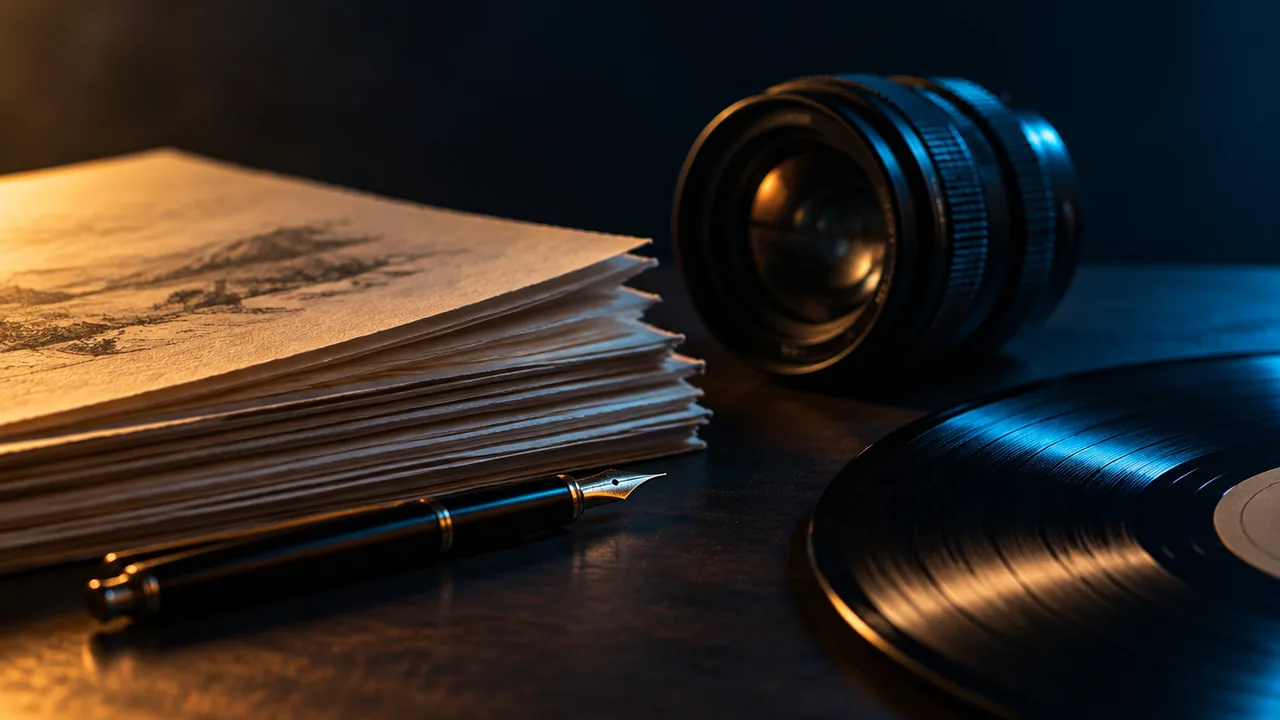
A copyright protects original creative works, such as writing, music, art, and software, giving the creator exclusive rights to reproduce and distribute it. Below are eight of the most common questions people ask about copyright, from how to secure one to how to handle a violation.
Many people have questions about copyrights and what a copyright does. We have answers to these questions and can help you initiate the copyright process. You do have the option of applying for copyright and learning about its benefits on your own. However, utilizing a copyright attorney increases your chances of successfully obtaining copyright protection for your intellectual property.
In the ever-evolving landscape of technology, understanding how copyright protects your work is crucial. Advancements such as artificial intelligence (AI) require legal understanding. Our team of copyright attorneys comprehends copyright law and its ramifications.
Gaining a comprehensive understanding of copyright and its functions proves advantageous when seeking to obtain one. You can undertake this endeavor independently or with the assistance of legal counsel to adeptly navigate the process.
8 Questions About Copyright and What it Does
To facilitate your initiation into the copyright process, we answer 8 popular questions people frequently ask below. We will also provide some answers to questions regarding what copyright generally does.
1. What Does Copyright Do, and What Does it Protect?
Copyright protects original works like books, sound recordings, computer programs, artworks, and more from unauthorized copying. It gives authors and inventors the right to determine who can use their work and how.
For example, let’s say you write a book or write computer programs. Copyright protection guarantees that you get to decide who can make copies of your work, share it, or profit from it. But remember, you cannot copyright everything. All imaginative creations must be original to receive a copyright.
That means it can’t be just a copy of something else. It has to come from you directly. However, you do not need to use a work publicly to obtain protection.
Copyright also doesn’t last forever. In most instances, it lasts for the creator’s lifetime plus a certain number of years after they die. Thereafter, the work enters the “public domain,” which means anyone can use it freely.
So, copyright helps support artists, encourages them to keep creating for us to enjoy, and provides income to the copyright owner.
2. How Does Copyright Differ From Other Forms of Intellectual Property?
Copyright is distinct because it specifically focuses on preserving the rights of the creator’s literary and artistic works.
Copyright is a legal principle that gives the original creators exclusive rights to their work in the useful arts. This includes literary work, artistic works, useful arts, musicals, or other creative expressions. When adding a copyright symbol (©), this notifies others that their work is protected by copyright.
However, it’s not mandatory to show the copyright symbol to have copyright protection. Displaying the symbol along with the name of the copyright owner and the year of first publication reminds others that this has protection. It also helps prevent potential infringement by alerting individuals to seek permission from the work’s creator before using it.
A United States patent functions as a safeguard that secures inventions and novel concepts. They provide the inventor with legal recourse to prevent unauthorized duplication, distribution, or utilization of their invention. Patents also serve to protect a newly devised and valuable innovation and work of authorship within the realm of intellectual property.
Trademarks set boundaries that protect brands and logos. Think of famous logos like the Nike swoosh or the golden arches of McDonald’s. These symbols tell us where products come from, and help companies stand out from the competition. Trademarks make sure that only the rightful owner can use these symbols to sell their goods or services.
Each type of intellectual property serves a different purpose, but ultimately aims to protect the rights of creators and innovators. Copyright ownership is granted by the US Copyright Office.
3. What Rights Does Copyright Give to Creators?
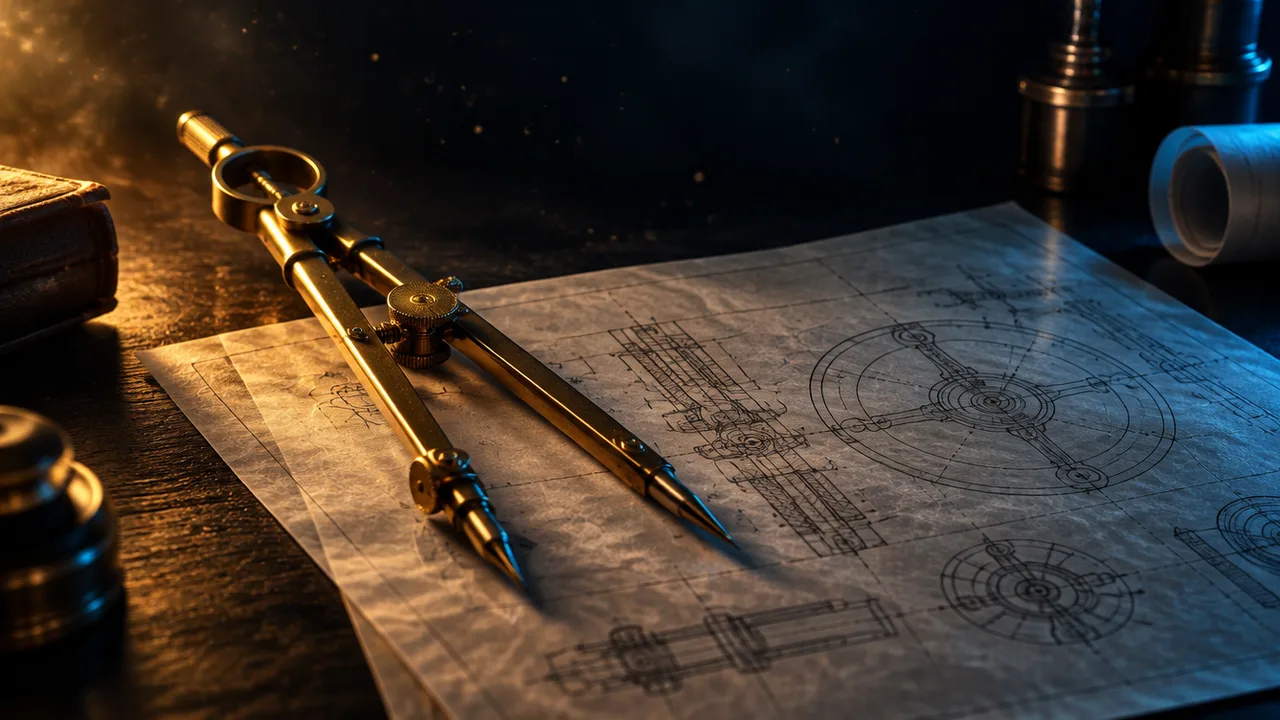
Copyright grants creators a bundle of exclusive rights. Which means that copyright provides creators with a collection of special privileges that are not available to others. These exclusive rights enable them to have full control over their original works. This includes reproducing, distributing, performing, and displaying a work.
With copyright ownership, you will have the right to reproduce your work. Which means the creator has the exclusive right to reproduce the work in tangible form or tangible medium.
In simpler terms, tangible form is a concrete work that you can see and feel. It’s the physical material that holds the creative work together. Such as a book you can hold in your hands, a CD with music you can listen to, or a sculpture you can touch.
It also gives the copyright owners the right to distribute their works to the public. This can be through physical copies, digital downloads, or other means of dissemination. Creators also hold the exclusive right to publicly perform or display their works. This can be through a live performance of a song, a screening of a film, or an exhibition of artwork.
You do not need to use a work publicly to obtain protection.
Furthermore, copyright encompasses the right to create derivative works. This allows creators to adapt or transform their original creations into new forms, such as translations, adaptations, or remixes. To create a derivative work, the creator typically requires permission from the copyright holder of the original work. However, there are legal exceptions, such as fair use, that may allow for certain uses without explicit permission.
Having a copyright also enables creators to benefit economically from their intellectual property. Copyright protections ensure creators have protection from individuals or entities who seek to use their work without permission.
4. Can You Copyright an Idea, or Just the Expression of the Idea?
You can copyright the expression of the idea, but not the idea on its own. However, going about it requires an understanding of intellectual property law. In essence, copyright law protects the tangible expression of ideas rather than the ideas themselves.
While ideas are inherently abstract, you cannot copyright them. Through creative works, you can copyright the specific way in which you express an idea. Writings, music, art, or software are all eligible for a copyright registration. You do not need to use a work publicly to obtain protection.
If two authors independently write respective writings that utilize a similar idea, those respective writings do not infringe on each other.
This means that someone cannot claim exclusive rights over a mere concept or thought. However, they can secure copyright protection and an exclusive right of use for the tangible medium in which they articulate that idea. This important difference makes sure that creators want to develop and share their creative expressions and original works of authorship.
It also helps new ideas grow and encourages the general public to share them. Copyright ownership can be obtained via the US Copyright Office, which grants intellectual property rights per the US Copyright Act. The US Patent and Trademark Office handles all other federal intellectual property registrations.
5. How Long Does Copyright Protection Last?
Copyright protection normally lasts for the life of the author, plus a period of time following their death. In most countries, this additional period is often set at 50 to 70 years after the creator’s death. However, know that copyright protection depends on the laws and agreements set in place for those countries.
For instance, the Berne Convention and the TRIPS Agreement establish a baseline for protection. Which includes the life of the author plus an additional 50 years. In the Berne Union, you can also choose to extend this duration beyond the minimum standard. For example, the United States, the European Union, and many other countries have chosen to grant longer copyright protection periods.
In the U.S., copyright protection starts with works created by an author. When works created by an individual author on or after January 1, 1978, the protection lasts for the life of the author plus 70 years. Works created before this date are subject to prior copyright legislation.
For anonymous works or pseudonymous works made for hire where the author is unknown, there is a different time period. The copyright lasts either 95 years from the date of first publication or 120 years from when it’s made, whichever expires first.
Once the copyright protection period expires, the work enters the public domain. Once it becomes public domain, you can freely use the creative works without permission or payment. It’s essential for creators and users of copyrighted works to understand the copyright duration, fixed period, and when the copyright expires. This ensures that you are in compliance with the copyright law.
However, navigating copyright durations and the public domain can be complex. Furthermore, know that copyright laws change over time. Hiring an attorney can help you with the copyright duration and the copyright process.
6. What Happens When Someone Violates a Copyright Law?
When someone violates a copyright law, they could face legal consequences. Violations of copyright law can occur through various means, including unauthorized reproduction, distribution, or public performance of protected material.
In the United States, copyright infringement is a serious offense. Before the Copyright Act of 1976, which went into effect on January 1, 1978, United States law required a copyright notice to secure copyright protection for published works. Today, the current United States copyright law is different. They no longer require you to have the copyright symbol ©, the word “Copyright,” or the abbreviation “Copr.” to secure copyright protection.
However, we recommend including a copyright notice. It serves as a reminder, there is a copyright owner’s claim and can help prevent potential infringement.
In cases of copyright infringement, the copyright holder has the right to take legal action against the violator. We suggest sending a cease-and-desist letter. You can also pursue damages for financial loss and seek an injunction to stop further unauthorized use.
Copyright law is crucial for protecting the rights of creators worldwide. It is governed by international copyright law and individual country-specific legislation, such as the United States Copyright Act. These laws ensure that creators have control over how their work is used and distributed.
Ultimately, respecting copyright laws is essential for maintaining a fair and respectful environment for creators and their intellectual property. By understanding and adhering to copyright regulations, individuals, and businesses can avoid legal disputes. This will ensure proper acknowledgment and compensation for their work. Derivative works in a tangible medium of expression that are substantively distinct are not violations.
7. Can I use Copyrighted Material if I Give Credit to the Creator?
Giving credit to the creator of a copyright protected work is a positive practice. However, it does not automatically grant permission for use. While acknowledging the creator’s contribution is respectful, it is not enough.
To avoid an infringement suit, it is critical to understand how copyright law limits the use of creative works. Remember, copyright owners have intellectual property rights. Therefore, if you use their work or distribute copies without permission, this can constitute infringement.
However, there are exceptions, such as for fair use. Determining fair use involves considering factors such as purpose, nature, amount, and effect on the market. Even if credit is given, it does not necessarily shield against claims of copyright infringement.
It’s essential to obtain proper authorization or determine if it falls within the bounds of fair use. Additionally, some creators may offer licenses or permissions for specific uses of their works.
For example, copyright owners can benefit from legal sharing agreements that allow others to use their work under specific terms and conditions. These agreements help people work together and be creative while still respecting the original creator’s rights. Free licensing agreements like this can ensure fair dealing and avoid potential copyright claims.
Therefore, reaching out to the copyright owner for permission is an important step. Respecting copyright law and obtaining permissions help individuals avoid legal issues. It also upholds creators’ rights.
8. How Does Copyright Apply to Digital Content and the Internet?
Copyright law applies to digital content and the internet the same way it does to other forms of creative work. Copyright exists for digital content. This includes text, images, videos, and music, from the moment of creation.
When publishers post digital content online or on other digital platforms, copyright protection still applies to it. Which means that individuals or organizations that create digital content have exclusive rights to reproduce, distribute, display, perform, and adapt their work. Anyone else who wants to use the content in these ways must obtain permission from the copyright holder.
However, the internet presents unique challenges for copyright enforcement due to the ease of copying and sharing digital content. With just a few clicks, people can duplicate and distribute digital files across the globe. This makes it difficult for copyright holders to control unauthorized use of their work.
To address these challenges, lawmakers have adapted copyright laws to better suit the digital landscape.
The Digital Millennium Copyright Act (DMCA) in the United States provides mechanisms for copyright holders. They can request the removal of infringing content from online platforms. Many online services also have policies and procedures in place for handling infringement claims and protecting the rights of content creators.
The rise of Digital Rights Management (DRM) technologies has enabled copyright holders to implement access controls and usage restrictions on digital content. This helps prevent unauthorized copying and distribution. To learn more about the Digital Millennium Copyright Act, reach out to your copyright office.
What is copyright?
The copyright definition outlines the legal framework for protecting original works of authorship. In other words, it is a way for owners to protect their creative expressions. It grants creators exclusive rights over their original works of authorship.
Copyright protects your works, such as sound recordings, books, computer software, and literary and artistic works. Copyrighted work fixed in a tangible form is always subject to updates in the legal code resulting from copyright legislation.
The website contains a vast collection of copyright-protected work, ranging from articles and images to videos and music. When you become a copyright owner, you will immediately have copyright protection.
Therefore, if someone is using your creative expressions without your permission, you can seek legal action. We always advise sending a cease-and-desist letter immediately. This begins the process of letting the offender know they are using copyrighted work.
You can learn more about what is copyright here.
How to Begin the Copyright Process?
To begin the copyright process, first, create the original work you want to protect. Once the original work is complete, precedential copyright protection automatically applies. Unpublished works retain protection even if they haven’t been made available to the general public or commercially distributed.
However, this form of copyright is difficult to enforce. A federal copyright registration with the copyright office is therefore necessary, as it protects original works. The United States Patent and Trademark Office does not have jurisdiction over copyright claims. Registering your work with the Copyright Office is vital to ensure your work has protection.
In practice, copyright protection depends on this registration.
To begin copyright registration in the United States, you can submit an application online or by mail. If you submit your application online, you will need to create an account with the Electronic Copyright Office (eCO). Along with the application, be ready to pay a registration fee, which could range from $45 up to $500. While individual states’ patent and trademark laws exist, a federal registration is ideal. States’ patent and trademark filings only allow for protection within the boundaries of that individual state.
After submitting your application, the Copyright Office will review it to ensure it meets all the requirements. Once approved, you’ll receive a certificate of registration, which serves as official proof of your copyright. This certificate can be helpful if you ever need to enforce your rights in court or demonstrate ownership of your work to others.
If you’d like to copyright your work in other countries, an international application is necessary. Most countries will recognize foreign registrations and expedite localized registration.
Benefits of Having a Copyright Registration Certificate
Having a copyright registration certificate offers several benefits to creators. First and foremost, it provides legal evidence of ownership and validity of the copyright. In case of any dispute or infringement, the certificate serves as official proof of the creator’s rights. It makes it easier to enforce those rights in court.
Additionally, a copyright registration certificate grants the creator the ability to seek statutory damages and attorney’s fees in copyright infringement lawsuits. Without registration, creators may only be eligible for actual damages and infringer’s profits, which can be difficult to prove. This may not fully compensate for the harm caused.
Furthermore, it establishes a public record of the creator’s copyright claim. This can act as a deterrent to potential infringers. This will put them on notice of the creator’s rights and increase the likelihood of compliance with copyright law.
Another benefit is the ability to record the copyright registration with the U.S. Customs and Border Protection agency. This can help prevent the importation of infringing copies of the copyrighted work into the United States.
This will provide an additional layer of protection against unauthorized use and distribution.
Overall, it’s a worthwhile investment for creators seeking to safeguard their creative works and maximize their rights.
What Does Fair Use Mean?
Fair use is a legal doctrine that provides an exception, or safe harbor, from copyright infringement. Which prohibits the unauthorized use of works protected by copyright without permission from the copyright owner.
Fair use is an important exception to copyright law. Because it balances the rights of creators with the public’s right to access and use copyrighted works. For example, criticism, commentary, news reporting, teaching, scholarship, research, and parody.
The concept of fair use recognizes that certain uses of protected material can serve the public interest. This includes promoting free speech, creativity, and the exchange of ideas.
It also allows individuals to use copyrighted works in ways that benefit society without infringing on the rights of copyright owners. To determine whether a particular use qualifies as fair use, one should consider some key factors outlined in the copyright law.
- 1. Courts assess whether the use is transformative. This determines whether it adds something new and different from the original work, such as commentary, criticism, or parody.
- 2. Certain types of works, such as factual or non-fictional works, may be more conducive to fair use than highly creative or fictional works.
- 3. Courts consider both the quantity and quality of the part of the work used in the context of the entire copyrighted work as a whole.
- 4. Courts evaluate whether the use adversely affects the market or potential market for the work.
Ultimately, fair use is a flexible and context-specific doctrine that requires a case-by-case analysis. This provides a framework for balancing interests and involves creators, users, and the public. It also allows responsible and transformative use while still respecting the rights of copyright ownership.
Hire An Attorney for Protected Works Created
If you have publicly displayed your original work, it is vital to hire an attorney to assist you with protecting it. The work’s originality is prima facie evidence of its protectability. This will ensure that anyone who comes into contact with that public work will not be able to use it without permission.
Authors and inventors alike need to ensure that their works are protected. To ensure that this is done correctly and comprehensively, hiring an intellectual property attorney is essential. When your application has been submitted, an attorney can provide you with your copyright status. They can also ensure that you are legally distributing or making copies of your work.
Where to Go From Here
Protecting your intellectual property with a copyright registration is an important step to take to ensure your IP is safe. Knowing copyright and what it means will assist you in deciding what action to do next. If you need assistance on how to protect your copyright, we offer a free consultation.
If you need to send a cease and desist letter to someone who is using your work, we can assist. Our attorneys have litigation experience and understand the copyright law.
FAQ’s
What Does Copyright Protect Mean?
It means that copyright protects your work. It grants creators exclusive rights to control the use and distribution of their creations.
What does copyright free mean?
Copyright-free means you can use, share, or modify creative works without permission or payment. There are no copyright limitations preventing them.
What does the copyright date mean?
The copyright date indicates when a creative work was first published, offering insight into its legal protection and potential usage rights.
What is Common Law?
Common law refers to legal principles developed by courts through decisions in cases rather than through statutes or regulations.
What is Creative Commons?
Creative Commons offers free, easy-to-use copyright licenses, allowing creators to share their work with specific permissions and conditions.
How Long Does Copyright Protection Last Before it Enters Public Domain?
It typically lasts for the duration of the creator’s life plus an additional period of time. This varies depending on the jurisdiction and the type of work. After this duration, the work enters the public domain.